2026 PTSD Recovery Workbook KDP Interior
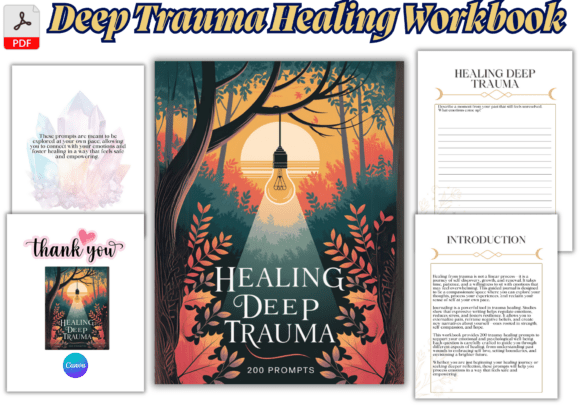
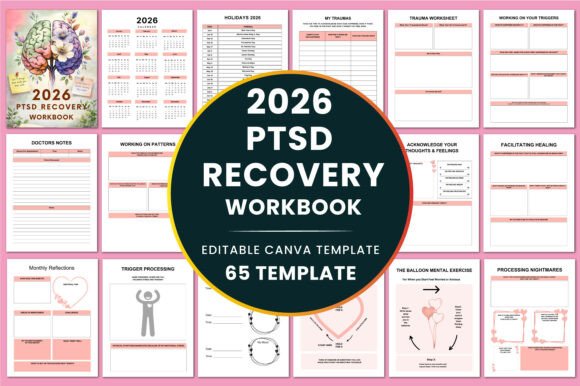
If you're designing, publishing, or using a mental wellness workbook for Kindle Direct Publishing (KDP), the 2026 PTSD Recovery Workbook KDP Interior isn’t just another printable PDF—it’s a thoughtfully sequenced, trauma-informed toolkit built for real-world healing. Unlike generic planners or hastily assembled journals, this interior combines clinical intentionality with practical usability: grounding prompts, structured reflection spaces, and calendar-integrated planning—all anchored in 2026 dates, holidays, and therapeutic best practices. People seek it not for novelty, but because it meets two quiet needs at once: safety in structure, and permission to move slowly.
What Gets Overlooked (and Why It Matters)
Many creators—and even well-meaning users—treat the 2026 PTSD Recovery Workbook KDP Interior like any other digital planner. That’s where things go off track. For example, some assume “trauma-informed” means adding a few breathing exercises and calling it done. But trauma recovery requires consistency *and* flexibility—space to pause without shame, prompts that don’t force disclosure, and layouts that reduce cognitive load. A poorly spaced trauma worksheet, mismatched calendar grids, or missing bleed margins can break that rhythm entirely. Worse, it may unintentionally retrigger or discourage use before real engagement begins.
Another common misstep? Using the workbook as a checklist instead of a companion. Pages like “Heal Your Inner Child in 7 Steps” or “Trigger Processing” aren’t meant to be rushed through in one sitting. When users skip the grounding prompts before diving into trauma mapping—or try to fill every therapy note section before their first appointment—they miss the workbook’s core design logic: gentle scaffolding, not linear completion.
Formatting Pitfalls That Undermine Trust
KDP has strict interior requirements—and small oversights here directly impact perceived credibility and usability. A creator might design beautiful trigger-coping cards but forget to set 0.125" bleed on all sides. The result? Critical content gets trimmed during printing, leaving users with half-visible affirmations or clipped breathing diagrams. Similarly, using RGB color mode instead of CMYK for print-ready interiors can mute calming blues and soft lavenders—colors intentionally chosen to support nervous system regulation.
Spacing matters too. If the “Medication Tracker” and “Doctor Visits” pages lack sufficient line height or margin, handwritten notes become cramped or illegible. And if the 2026 monthly planner spreads don’t align with actual month lengths (e.g., February 2026 has 28 days—not 30), users lose confidence in the entire resource. These aren’t “minor details.” They’re signals: either the creator tested thoroughly with real users, or they didn’t.
Why Calendar Integration Isn’t Just Convenience
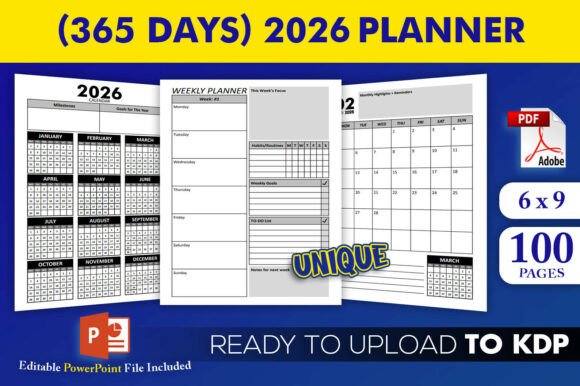
The 2026 PTSD Recovery Workbook KDP Interior includes Jan–Dec monthly spreads, 2026 holiday markers, and daily/weekly planners—but not as filler. Trauma recovery often involves disrupted time perception. Grounding in real-world chronology helps rebuild orientation. When someone tracks mood *alongside* actual 2026 holidays—like Memorial Day or Labor Day—they begin noticing patterns tied to collective rhythms, not just personal triggers. That context is clinically meaningful.
Yet some buyers overlook whether the interior uses *real* 2026 dates. A generic “2026” label on a template with placeholder months won’t sync with appointments, therapy scheduling, or medication refills. Always verify: does the January 2026 spread start on a Thursday? Does November include Veterans Day on the correct date? Cross-checking one or two months takes under a minute—and prevents frustration mid-year.
How to Use This Workbook Without Burnout
Start smaller than you think. You don’t need to complete “Processing Nightmares” before trying “Daily Reflection” or “Heart Breathing”. In fact, many find relief by beginning with low-stakes, sensory-based tools first—like coloring the “Growth Lifestyle” tracker or writing one sentence in “Acknowledge Your Thoughts & Feelings”. The workbook’s power lies in its modularity, not its sequence.
Also: protect your pace. The “My Traumas” section has three unique pages—not because you must fill them all, but because different entry points work on different days. Some days, drawing matters more than writing. Some weeks, tracking anxiety feels safer than naming grief. Honor that. The workbook supports variation; it doesn’t penalize it.
Before You Publish or Purchase—Check These Five Things
- Print preview accuracy: Download KDP’s free previewer and scroll through full spreads—not just thumbnails. Check for text cutoff, image distortion, or misaligned grid lines in the Weekly Self-Care or Mood Tracker pages.
- Therapeutic alignment: Scan for coercive language (“You must,” “Failure to complete means…”). Trauma-informed design uses invitation (“You might explore…” or “When ready, consider…”).
- Functional spacing: Open the Therapy Progress Notes or Doctors Notes pages in edit mode. Is there room for 8–10 lines of handwriting? Are headers clear enough to skim quickly between sessions?
- 2026-specific integrity: Confirm holidays match official U.S. federal observances (e.g., Juneteenth is June 19, 2026—a Thursday) and that weekends fall correctly across all months.
- Accessibility cues: Are fonts legible at 12 pt? Do grayscale versions of charts (like the Anxiety Tracker) retain contrast? Can someone with visual fatigue navigate the “Balloon Mental Exercise” without straining?
Better Than “Just Another Planner”
This isn’t about productivity—it’s about presence. The 2026 PTSD Recovery Workbook KDP Interior works because it respects complexity: the coexistence of hope and exhaustion, progress and setback, self-compassion and accountability. When creators prioritize clarity over cleverness, and users honor slowness over speed, the workbook becomes what it’s designed to be—not a fix, but a faithful companion.
So whether you’re formatting for KDP, choosing a tool for your own healing journey, or recommending resources to clients or students, remember: the most effective interiors don’t shout. They hold space. They leave room for breath. And they meet people exactly where they are—in 2026, and beyond.